On this page5 sections
Every generation of mining hardware is sold on hashrate and bought on efficiency. Hashrate tells you how much work a machine does. Joules per terahash tells you what that work costs you, every hour, for years. On any site where electricity is a real expense, the second number decides the outcome.
Where the frontier sits
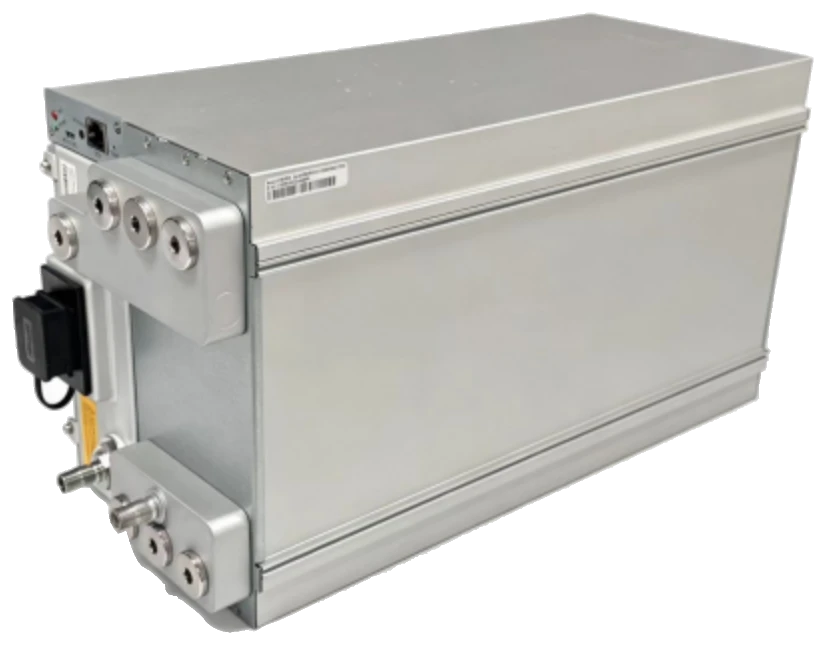
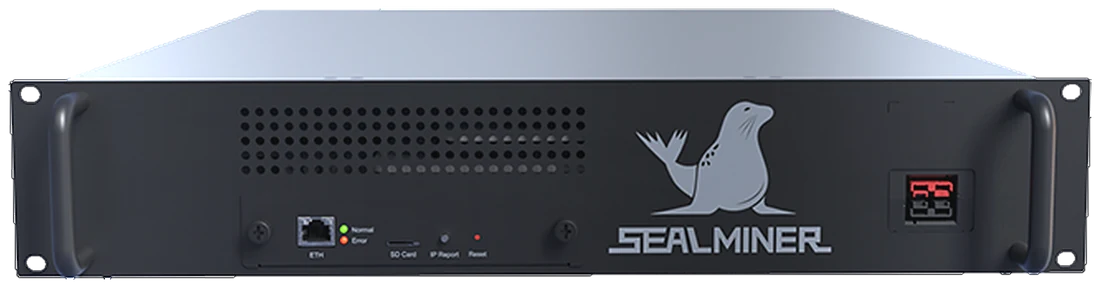
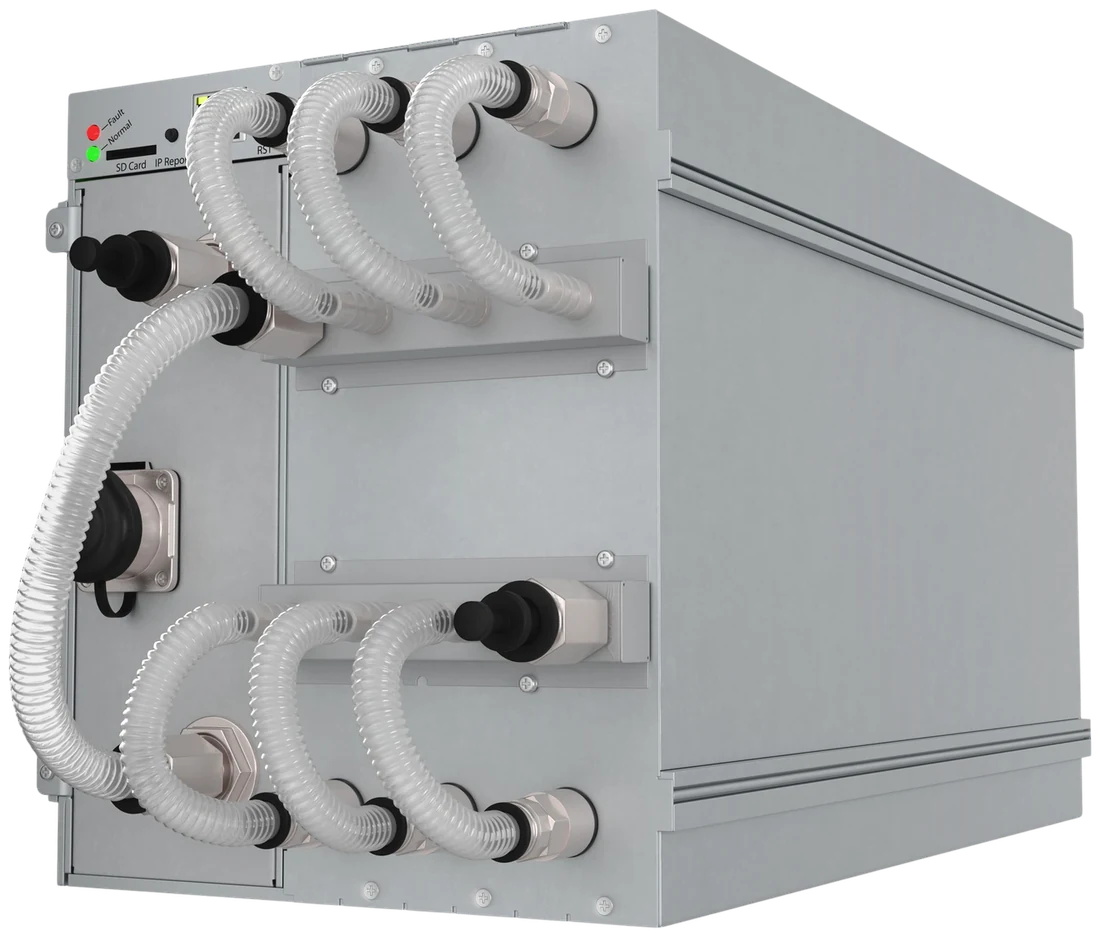
On SHA-256 the leading edge is currently under 10 joules per terahash, and it is held by hydro machines. The most efficient machines we quote sit at 8.9 J/TH (Antminer S23 XP Hydro, 600 TH/s), 9.45 J/TH (SEALMINER A4 Ultra Hydro, 886 TH/s) and 9.5 J/TH (Antminer S23 Hydro, 580 TH/s). Air cooled machines follow a step behind, with the best around 10.9 to 11.0 J/TH.
That gap between air and hydro is not a marketing artefact. Water carries heat away far better than moving air, so the chips can run at a more efficient point on their voltage curve. If you want the frontier, you are also buying a plumbing project, which is the tradeoff in air, hydro or immersion.
What a joule is worth
Take two machines producing the same terahash, one at 10 J/TH and one at 15. The efficient one draws two thirds of the power for the same output. On a 300 TH/s equivalent running continuously, that difference is roughly 1.5 kW, which is about 13,000 kilowatt hours a year. At eight cents that is a bit over a thousand dollars a year, per machine, forever.
On a hundred machines that is six figures over three years, which is why the efficient machine can carry a much higher purchase price and still win. Run it through your own breakeven power price rather than trusting a rule of thumb.
When the most efficient machine is the wrong buy
Three situations, and they are common.
- Very cheap or stranded power. If you pay two cents, or you are burning gas that would otherwise be flared, the operating cost advantage shrinks and capital cost per terahash matters more. Buying older, cheaper hardware and running more of it can beat the frontier.
- A site that cannot take hydro. A frontier machine you cannot install is not efficient, it is inventory. The best air cooled machine on your actual site beats the best hydro machine on someone else's.
- A short horizon. If you plan to exit inside two years, the efficiency advantage has less time to compound and the resale spread matters more.
- Capital constraints. Sometimes the honest answer is fewer efficient machines rather than more cheap ones, and sometimes it is the reverse. That is the argument in phasing a buildout.
Reading efficiency claims properly
Manufacturer figures are measured at a stated ambient temperature and a stated operating point. A machine rated at 9.5 J/TH will not deliver that at forty degrees inlet with dirty filters. Treat the rating as a laboratory ceiling and assume a few percent worse in practice, more on a hot site.
Also check whether the figure includes the power supply. Efficiency at the wall plug is what your meter charges you for, and it is not always what is printed. And never compare across algorithms: joules per terahash, per megahash and per kilosolution are different units for different machines, as covered in Scrypt, Equihash and RandomX machines.
Efficiency and useful life
The practical reason to care is not this year's electricity bill, it is how long the machine keeps earning at all. Network difficulty trends upward, revenue per terahash trends down, and each machine has a point where it stops paying. The more efficient the machine, the further out that point sits, and the more halvings it survives. That is the whole of how long an ASIC miner lasts.
Machines in this article
Run this against your own numbers
Tell us your power situation, your site and the scale you are aiming at. We come back with a hardware shortlist and a firm quote.