On this page5 sections
Every machine at the efficiency frontier today is water cooled, and the reason is physics rather than fashion: water carries heat away far better than air, so the chips can be held at a lower temperature and run at a more efficient point on their voltage curve. The result is a class of machine that does more work per joule and makes far less noise doing it.
The machines
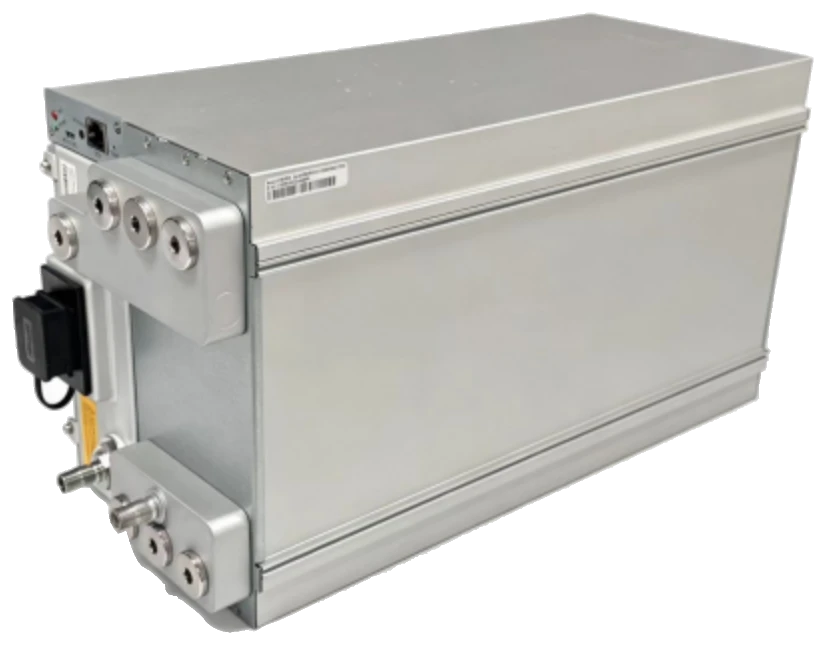
- Antminer S23 XP Hydro: 600 TH/s, 5,340 W, 8.9 J/TH. The efficiency leader.
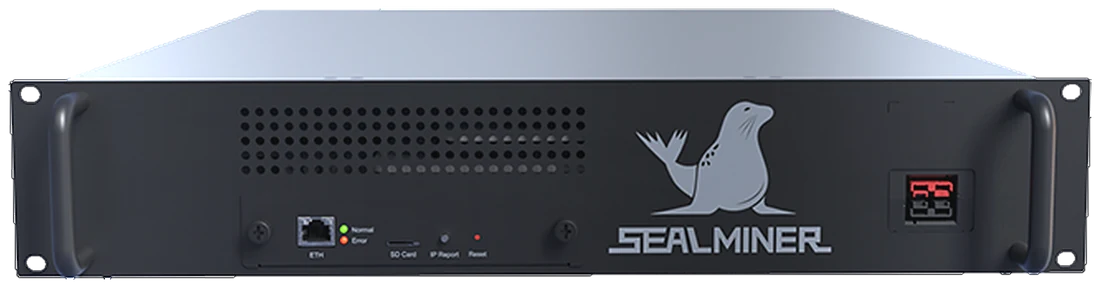
- SEALMINER A4 Ultra Hydro: 886 TH/s, 8,373 W, 9.45 J/TH. The highest output per unit.
- Antminer S23 Hydro: 580 TH/s, 5,510 W, 9.5 J/TH.
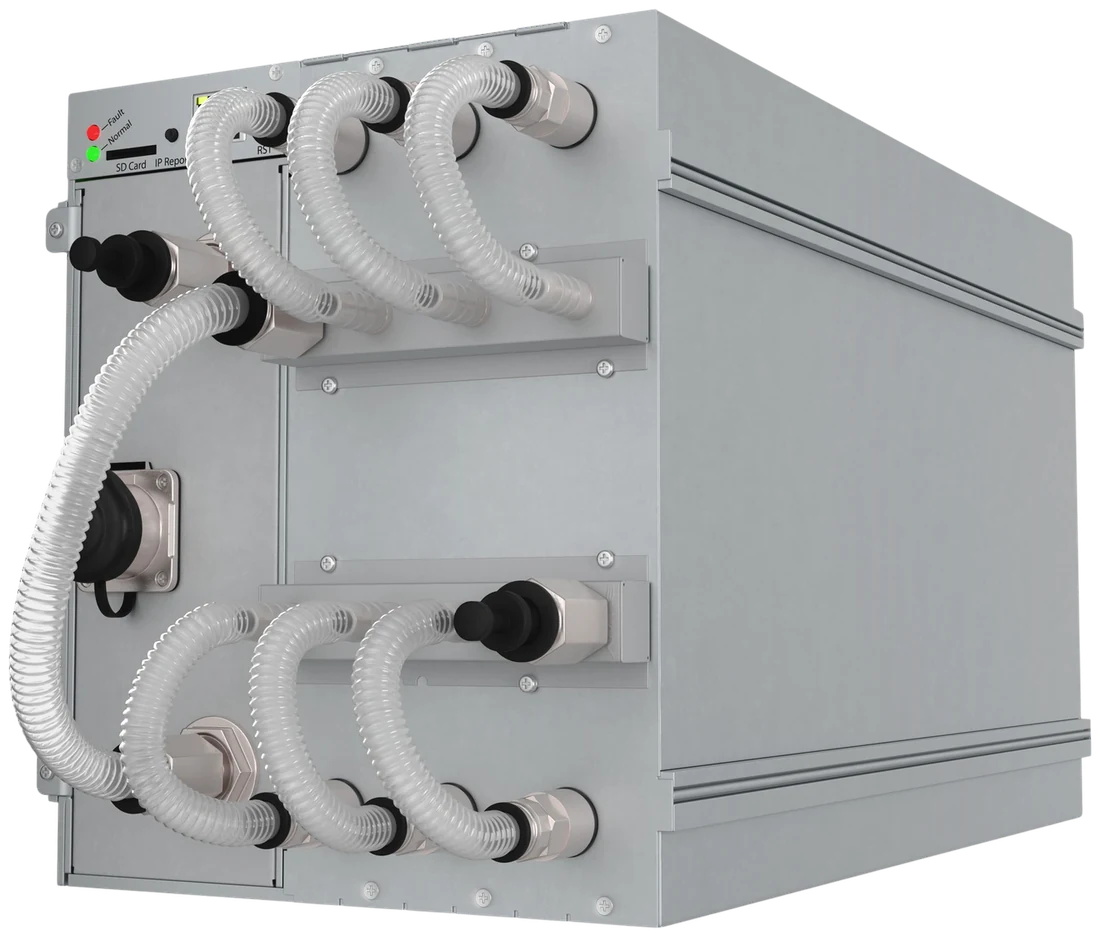
- Antminer S23e U2H: 865 TH/s, 8,650 W, 10.0 J/TH.
- SEALMINER A4 Pro Hydro: 680 TH/s, 7,412 W, 10.9 J/TH.
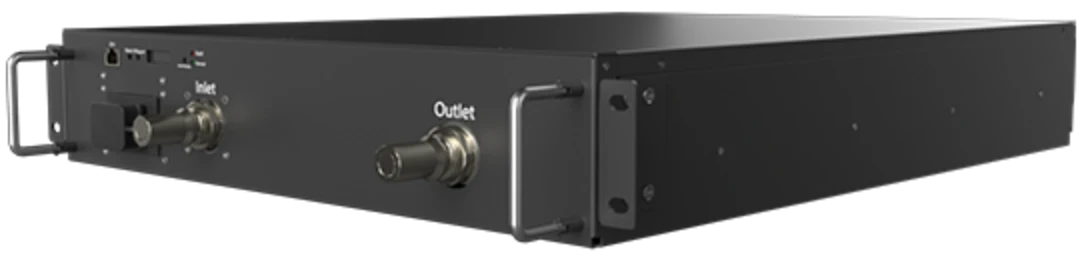
- SEALMINER A3 Pro Hydro: 660 TH/s, 8,250 W, 12.5 J/TH, and further down the range for tighter budgets.
Compare that to the best air cooled machines around 10.9 to 11.0 J/TH and the efficiency gap is roughly two joules at the top. On a large site, that is the whole argument.
What the loop actually is
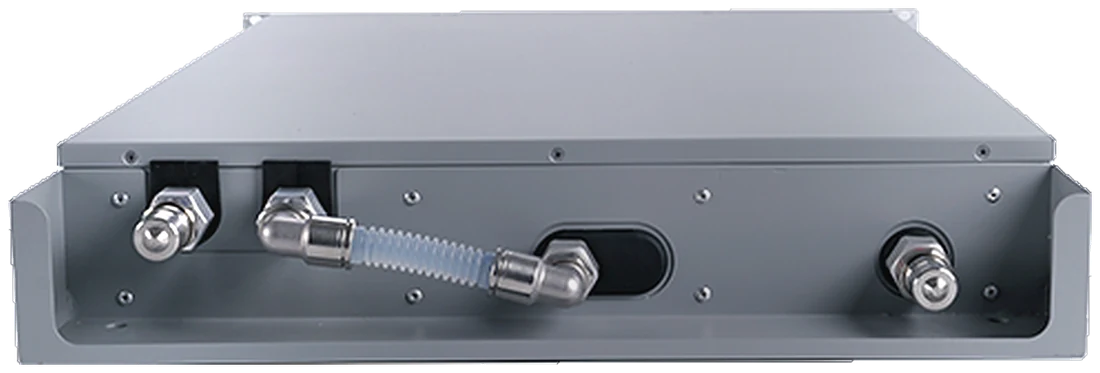
A hydro deployment is a closed water circuit. Coolant runs through the machines, picks up heat, and gives it up somewhere. The components are the manifolds that distribute water to each unit, the pipework, pumps, a filtration and treatment stage, and a heat rejection stage, usually a dry cooler outside the building or a connection to a water source.
None of that is bought with the machines. It is designed, procured and installed as a separate project, and it needs to exist before the hardware arrives. The most common hydro mistake we see is ordering machines on a delivery date the plumbing cannot meet.
What it costs you beyond money
- Lead time. Loop design and installation is measured in months, not weeks, and it usually sets your energisation date rather than the hardware does.
- Water treatment. Filtration, corrosion inhibitors and periodic testing. Neglect it and you are flushing hashboards, not pipes.
- A new failure mode. A leak is a category of problem air cooled sites do not have. Leak detection, drip trays and shutoff logic belong in the design.
- Specialist maintenance. Pulling a hydro unit for service is a plumbing operation. Budget the time.
- Site commitment. A loop is not portable. It is the least reversible of the cooling routes, which matters if you do not own the site. See container, warehouse or retrofit.
What you get back
Beyond the efficiency: hydro machines run at around fifty decibels, far quieter than an air cooled fleet, which is often the only way to make a site work near people at all. See how loud a mining site is. Chip temperatures are stable even in hot climates, so you do not lose performance in the warmest week. Dust hardly matters. And the loop returns water hot enough to be worth selling, which is the case in selling the heat.
When hydro is the wrong answer
When the site is temporary or leased short. When nobody on the team can maintain a water system and there is no local contractor who can. When the deployment is small enough that the fixed cost of the loop swamps the efficiency saving, which in practice means a handful of machines. And when your power is cheap enough that operating cost is not the binding constraint, where the simpler air route wins on total cost.
Machines in this article
Run this against your own numbers
Tell us your power situation, your site and the scale you are aiming at. We come back with a hardware shortlist and a firm quote.