On this page5 sections
At the top of the SHA-256 market the two lines that matter are Bitmain's Antminer S23 family and Bitdeer's SEALMINER A4. They are close enough on paper that a naive comparison will not separate them, which is exactly why it is worth going through what actually differs.
The numbers, side by side
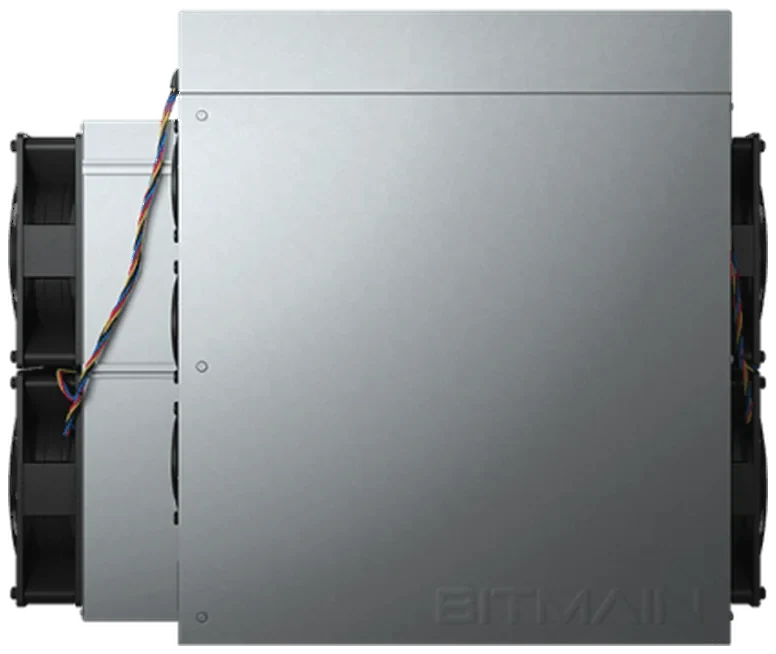
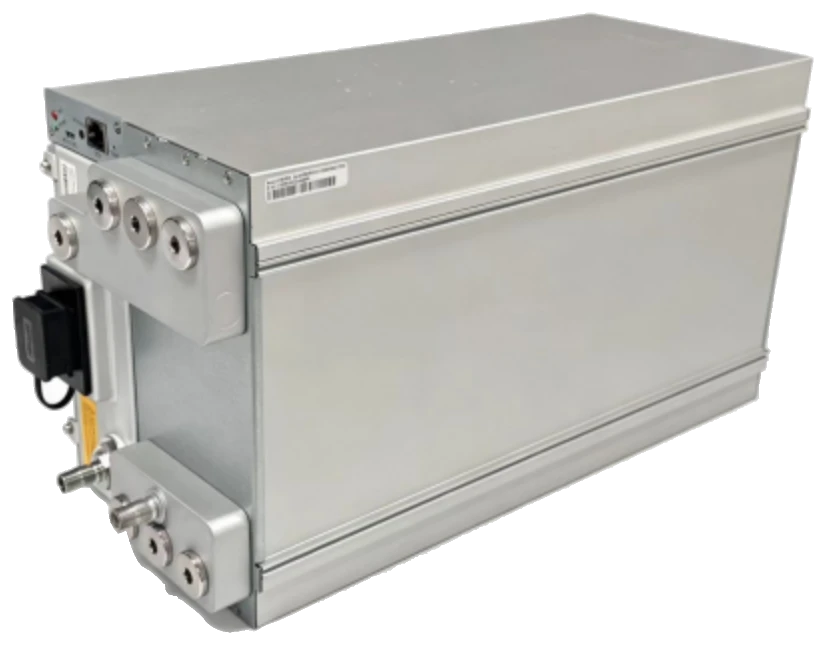
- Antminer S23 XP Hydro: 600 TH/s at 5,340 W, 8.9 J/TH. The efficiency leader of the two, and the lower power draw per machine.
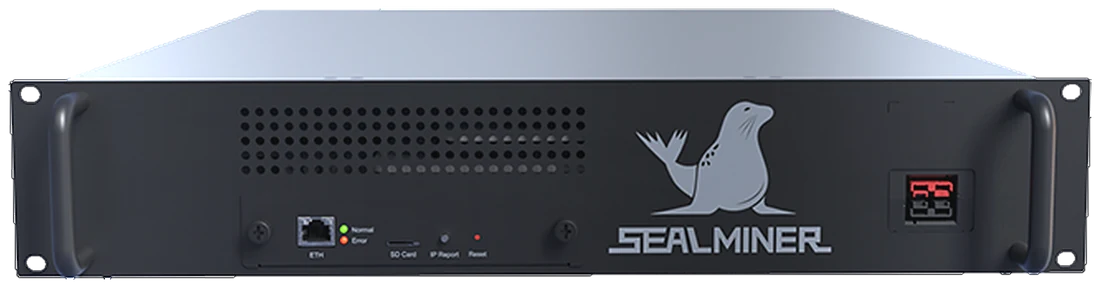
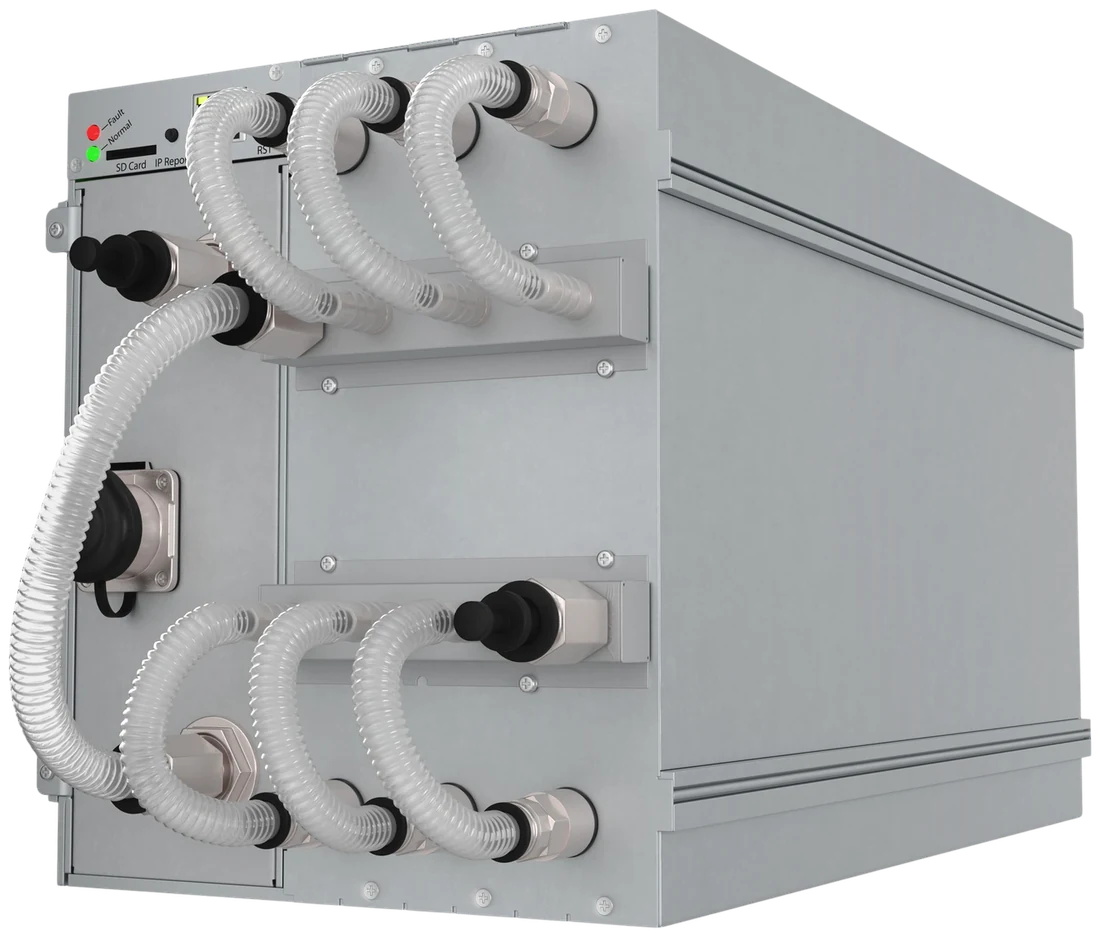
- SEALMINER A4 Ultra Hydro: 886 TH/s at 8,373 W, 9.45 J/TH. Half a joule behind on efficiency, and nearly fifty percent more hashrate in one box.
- Antminer S23 Hydro: 580 TH/s at 5,510 W, 9.5 J/TH.
- SEALMINER A4 Pro Hydro: 680 TH/s at 7,412 W, 10.9 J/TH, with an air cooled sibling at the same efficiency and half the output.
Half a joule per terahash between the two leaders is around six percent of operating cost. Real, but small enough that everything below can outweigh it.
Density against granularity
This is the genuine difference. The SEALMINER A4 Ultra packs 886 TH/s into one unit; the S23 XP Hydro packs 600. To reach a megawatt of hashrate you need fewer SEALMINERs, which means fewer rack positions, fewer network ports, fewer manifold connections and less installation labour.
The other side is granularity. A single 8.4 kW machine failing takes out more hashrate than a single 5.3 kW machine failing, your circuits are sized in larger steps, and your spares are chunkier. On a large site density usually wins. On a site fitting into existing electrical infrastructure, the smaller step can be the deciding factor.
Where the ecosystems differ
Bitmain has the largest installed base in the world, and that is a feature rather than a boast: more technicians who know the machines, deeper availability of hashboards and power supplies, and the widest third party firmware support. When you need a control board at short notice, market share is what you are actually buying.
Bitdeer is a mining company that started making its own chips, and the SEALMINER line reflects that: hydro models designed for rack density from the start rather than adapted from air cooled designs. The line is younger, so the installed base and the spares network are thinner. That is not a fault, it is a thing to plan for, which means agreeing spares at the point of order rather than assuming a market exists later. See maintenance and spares.
What to check on your own site
- Input voltage. Both families are built for three phase in the higher bands. Confirm against your actual supply, not your planned one, as in three phase power in plain terms.
- Loop capacity. A hydro machine's heat rejection requirement scales with its draw. An 8.4 kW unit needs a loop sized for it, and retrofitting that is expensive.
- Rack format and manifold fittings. Not interchangeable between families, and discovered on installation day if not before.
- Firmware policy. Support for third party firmware is uneven, and running it has warranty consequences either way. See underclocking and overclocking.
- Service routing in your region. Where boards go for repair, who pays freight, and how long the turnaround is. Ask before signing.
How to actually decide
Take the two candidates you were actually quoted, at the quantity you actually want, and compute landed dollars per terahash for each. Then compute annual electricity for each at your power price. If the difference between them is smaller than the difference in spares availability or delivery date, the spec sheet has stopped being the deciding input, and it usually has.
There is also a case for both. On a site above a few megawatts, splitting between manufacturers means a firmware bug or a supply problem at one does not take out the whole fleet. Below that scale, one family keeps the operation simpler. The wider brand picture is in Antminer, Whatsminer and SEALMINER compared.
Machines in this article
Run this against your own numbers
Tell us your power situation, your site and the scale you are aiming at. We come back with a hardware shortlist and a firm quote.