On this page5 sections
Most ASICs on the market compute SHA-256 for Bitcoin. Scrypt machines are the largest of the alternatives, and they occupy their niche for one specific reason: Litecoin and Dogecoin are merge mined, so a single machine doing a single job earns in both coins simultaneously. One electricity bill, two revenue streams.
The machines
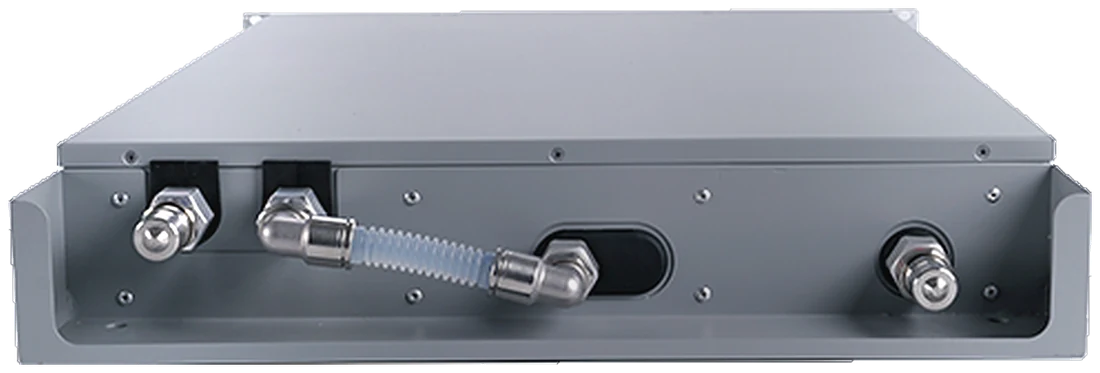
- SEALMINER DL1 Hydro: 52.5 GH/s at 7,823 W, 0.149 J/MH. The efficiency and output leader of the category.
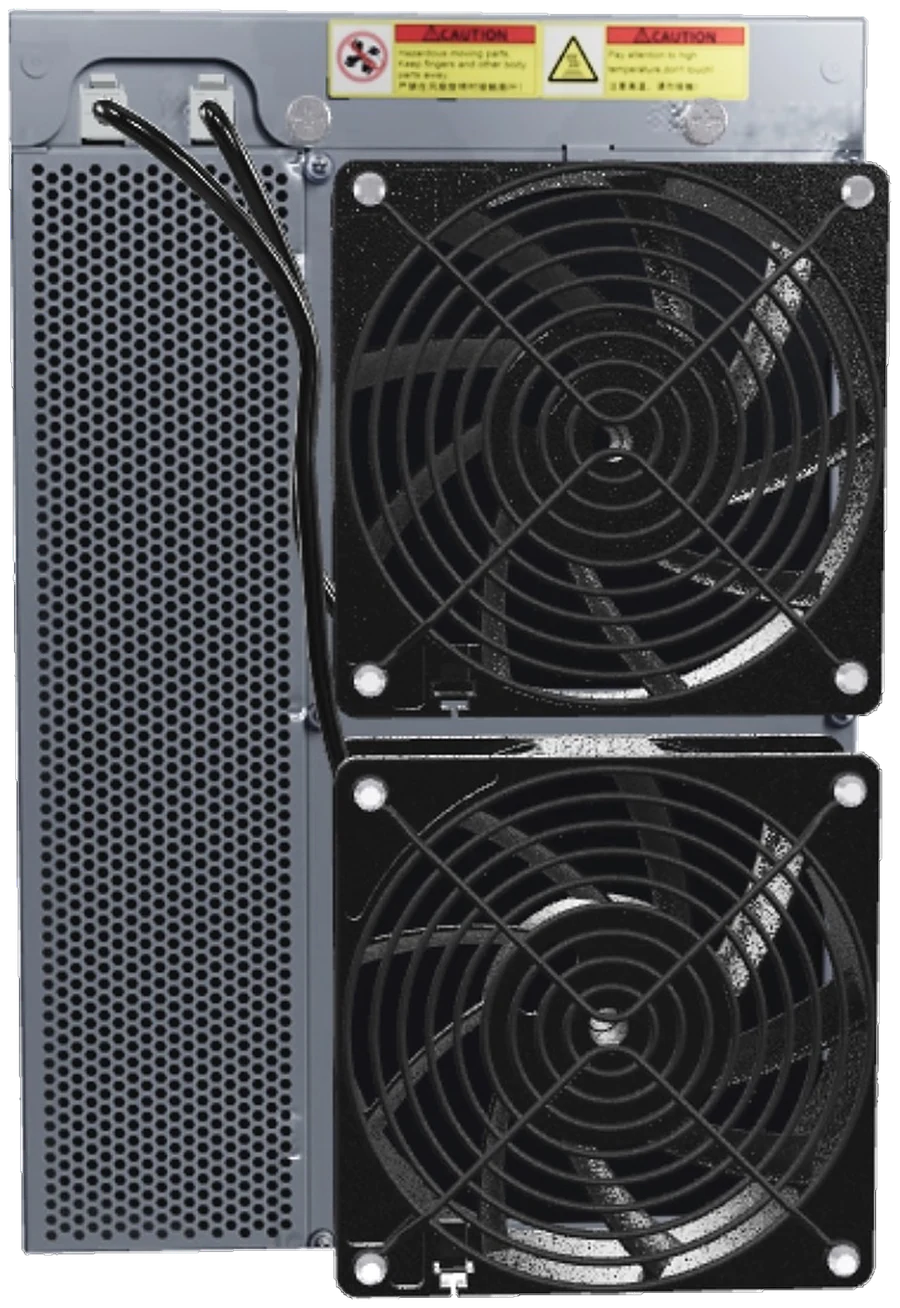
- SEALMINER DL1 Air: 25 GH/s at 3,725 W, 0.149 J/MH. Same efficiency, half the output, no plumbing required.
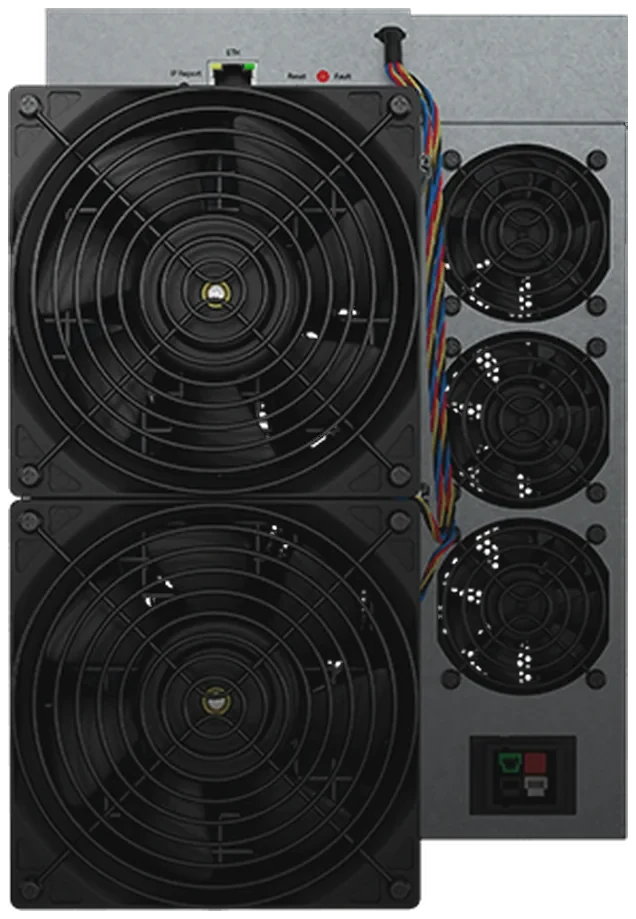
- Antminer L9: 17 GH/s at 3,570 W, 0.21 J/MH, available used. Meaningfully less efficient, and priced accordingly.
Note the unit: joules per megahash, not per terahash. Scrypt hashrate is measured in gigahashes where Bitcoin machines are in terahashes, and the two scales have nothing to do with each other. You can compare Scrypt machines to each other and to nothing else.
How the economics differ from Bitcoin
The merge mining bonus is real and it is the reason the category survives periods when the Litecoin price alone would not justify the hardware. But three things work against you compared to Bitcoin mining, and they should be priced in.
- Liquidity. Bitcoin mining revenue converts to cash instantly at any size. Litecoin and Dogecoin markets are thinner, and a large fleet's daily output is a larger share of daily volume.
- Difficulty volatility. On a smaller network, one large operator switching on visibly moves your revenue. Model the downside harder.
- Resale. Fewer buyers and thinner secondary markets. Plan to run the machine to the end of its life rather than assuming you can rotate it, which changes the model in payback on a mining rig.
The air and hydro question, again
The DL1 exists in both forms at the same rated efficiency, which makes the choice unusually clean: hydro if you want density and quiet and have or can build a loop, air if you want a machine you can plug in. The 7.8 kW hydro unit needs a loop sized for it, which is a project, not an accessory. See hydro miners compared.
Reading the profitability calculators carefully
Scrypt machines often show attractive daily figures on public calculators, and those figures are computed at current difficulty on a small network. A new entrant of any size changes the inputs. Treat any calculator output as a snapshot, run it again at half, and only buy if it still works. The reasoning is the same as for hashprice, with more volatility around it.
Where these machines genuinely belong
Three cases recur. Diversification, where an operator wants revenue not entirely correlated to a single coin. Conviction about the projects themselves. And fit, where a machine's draw, voltage or noise profile suits a site that cannot take a flagship Bitcoin miner.
What does not work is switching to Scrypt because a calculator shows a better number today. That number is a snapshot of a small network, and it moves against you faster than the Bitcoin equivalent would. The broader picture across alternative algorithms is in Scrypt, Equihash and RandomX machines.
Machines in this article
Run this against your own numbers
Tell us your power situation, your site and the scale you are aiming at. We come back with a hardware shortlist and a firm quote.