On this page5 sections
Most guidance in this trade is written for megawatt sites and quietly assumes you have three phase power to spare, a building nobody lives near and a technician. If you are putting five to twenty machines into a workshop, a barn or a small industrial unit, several of the usual answers change.
Start with what the building can carry
The binding constraint on a small site is almost always electrical. Work out your available capacity in kilowatts, not in machines, then divide. A 3.5 kW machine on a continuous load needs its circuit sized at 125 percent of draw, so ten of them is not 35 kW of supply, it is closer to 44 kW of breaker capacity, plus distribution losses.
Single phase runs out fast. Above roughly ten kilowatts of continuous load, three phase stops being optional, and getting it installed is a utility job with a utility timeline. That timeline, not the hardware, usually sets your start date. The vocabulary is in three phase power in plain terms.
Then decide how much noise you can make
At this scale you are usually closer to people than a large site would be. An air cooled fleet of ten machines is genuinely loud and runs continuously, which is the version of noise humans tolerate least. Walk the nearest property line at night before you commit to anything, as in how loud a mining site is.
If noise is a problem, hydro solves it, but at ten machines the fixed cost of a loop is heavy per unit. This is the tension small sites live with, and it is worth resolving before buying rather than after.
What to actually buy
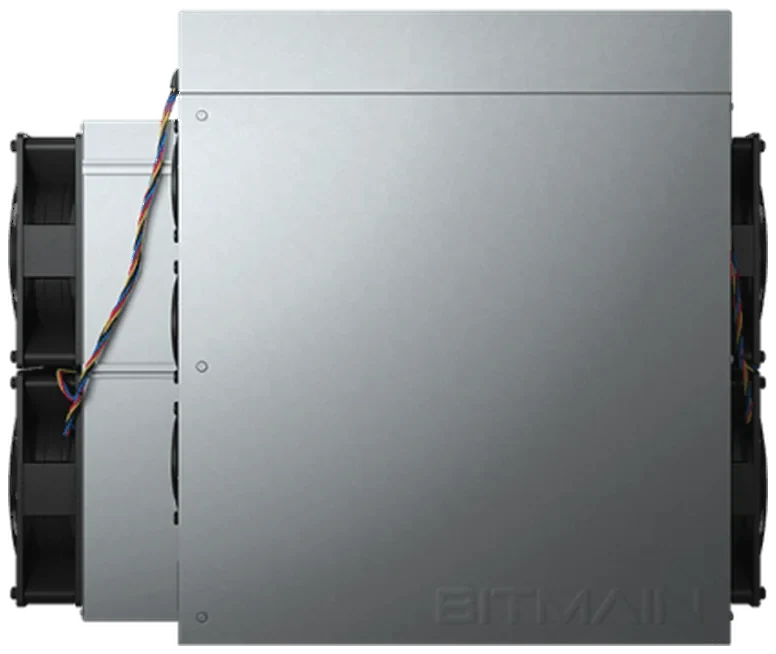
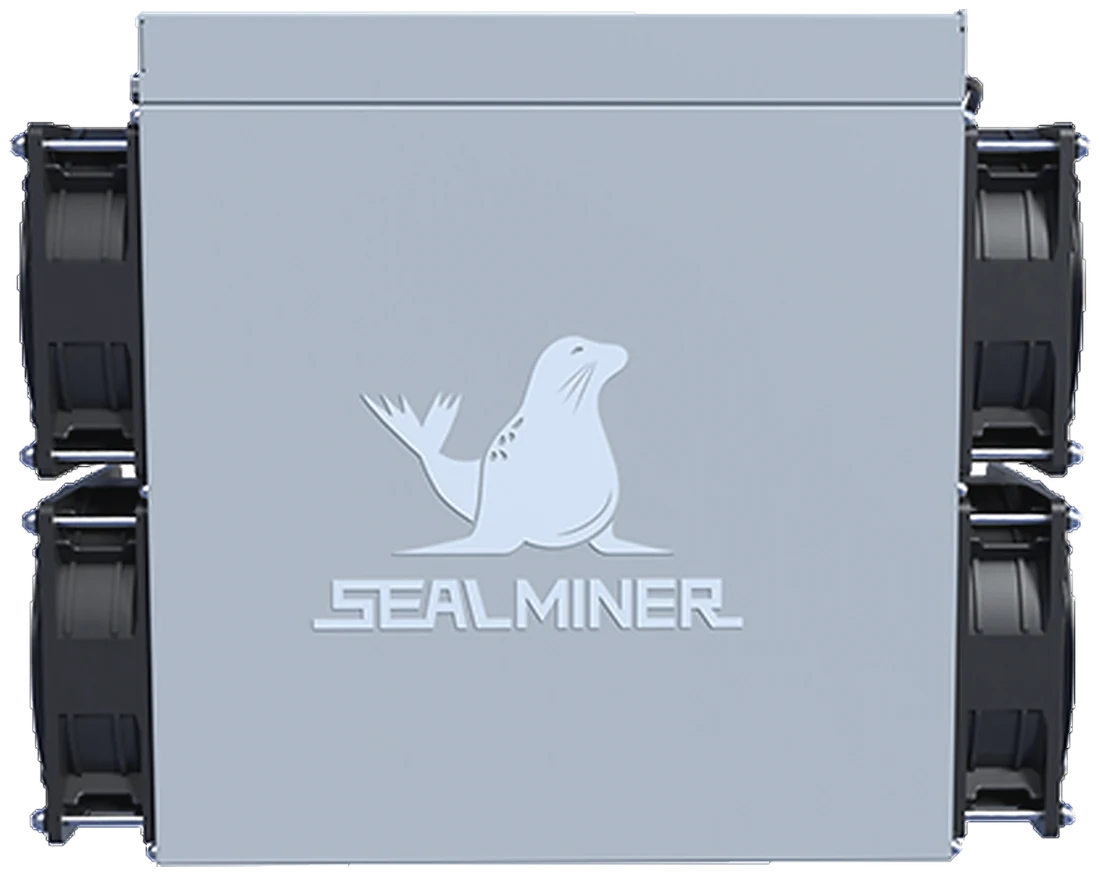
For most small sites the answer is air cooled hardware of the current generation, one step behind the frontier. The Antminer S23 at 318 TH/s and 11.0 J/TH, the SEALMINER A4 Pro Air at 336 TH/s and 10.9, or the Antminer S21 XP at 270 TH/s and 13.5 for a lower entry price. All are single machines you can install with an electrician rather than a plumbing contractor.
Buy fewer, better machines rather than more, cheaper ones. On a site with limited capacity your ceiling is kilowatts, so the only way to get more hashrate is more efficiency per watt. That is the opposite of the advice for someone with cheap surplus power, which is why the shortlist by power price exists.
What small sites underestimate
- Heat. Ten machines is 35 kilowatts of heat into a room. It has to leave, and the opening it leaves through has to be planned.
- Dust. A workshop or barn is dustier than a data hall. Filtration is cheap and replacing power supplies is not.
- Spares. With ten machines, one dead unit is ten percent of your revenue. Hold a spare power supply and a set of fans from day one.
- Remote management. Nobody is on site. You need to reach the machines and restart them without driving there.
- Internet. Modest bandwidth, but the connection must be stable. A dropped link is lost revenue with no alarm unless you set one.
The honest alternative
If your electricity is at retail rates, a small site you run yourself is difficult regardless of which machine you buy, and no hardware choice fixes it. Hosting the machines somewhere with industrial power may earn more even after the hosting fee. We have no preferred answer here, which is why hosting or your own site lays out both.
Machines in this article
Run this against your own numbers
Tell us your power situation, your site and the scale you are aiming at. We come back with a hardware shortlist and a firm quote.