On this page5 sections
Operators arrive asking which miner is best. It is the wrong question, and the right one takes a second to answer: what do you pay per kilowatt hour, and is that price firm for the next three years. From there the shortlist writes itself, because electricity is the only cost that keeps running after the invoice is paid.
Below are four bands. They are guidance, not a rule, and the boundaries move with the market. Run the numbers in the breakeven power price against your own figures before committing.
Under 4 cents: capital cost wins
Stranded gas, curtailed renewables, an overbuilt hydro connection, some industrial deals. At this price the electricity bill stops dominating, and the question becomes how much hashrate you can buy per dollar of capital.
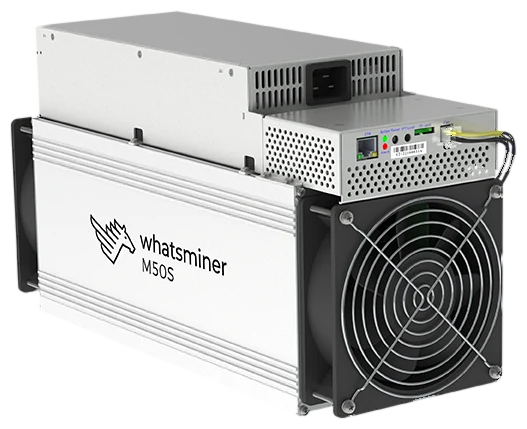
Older and used hardware becomes genuinely attractive: an Antminer T21 at 19 J/TH or a Whatsminer M50S at 26 J/TH will run profitably here long after they have been switched off elsewhere. Buy on dollars per terahash, buy spares deep because the fleet is older, and expect to run the machines to the end of their life rather than rotating them.
The caveat is that cheap power is often curtailable power. If yours is, read curtailment and demand response before you size anything, because the payments can be worth more than the mining.
4 to 7 cents: the balanced middle
Most industrial contracts and many good private deals. Here neither capital nor operating cost dominates, and the sensible answer is hardware of the current generation one step behind the frontier, where the price per terahash has already come down.
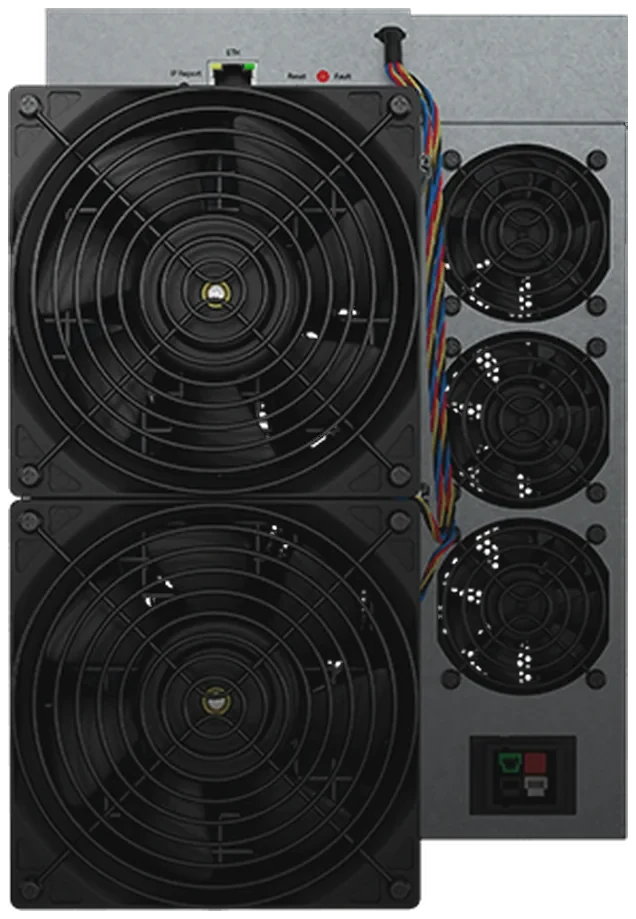
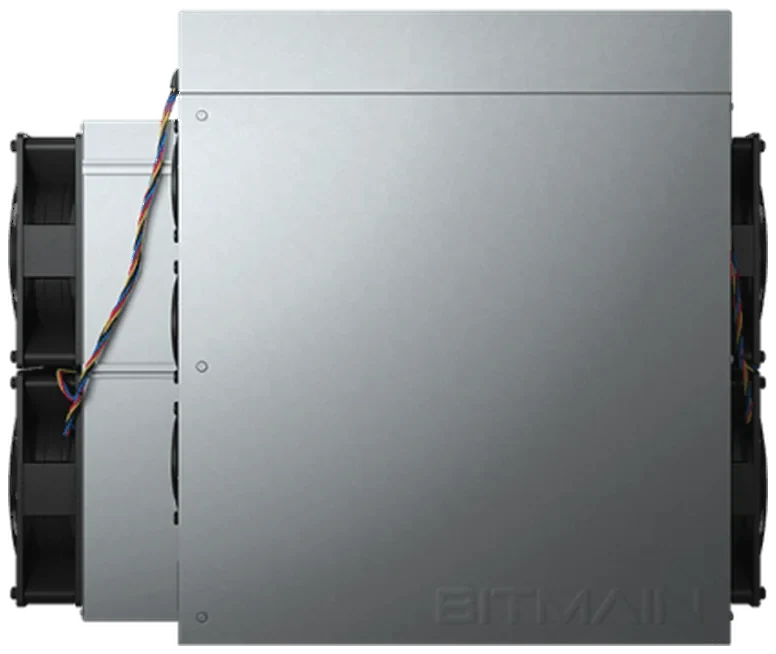
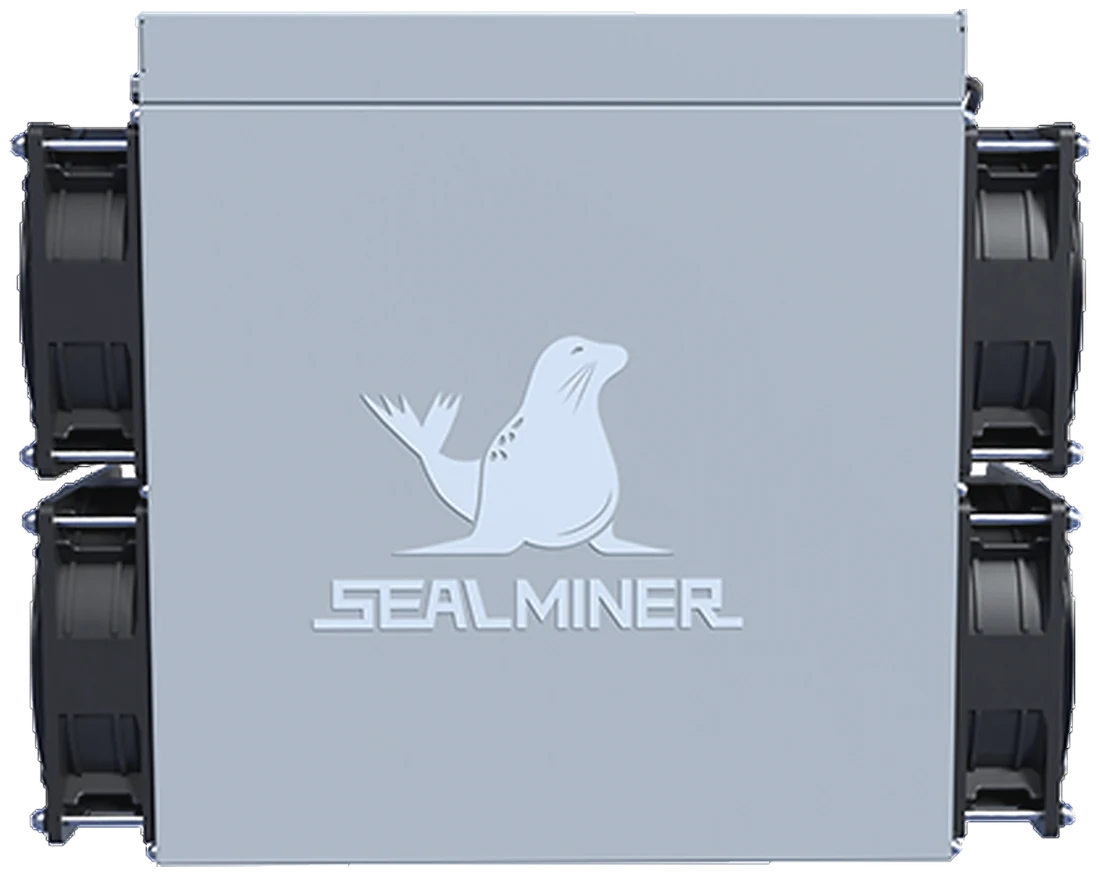
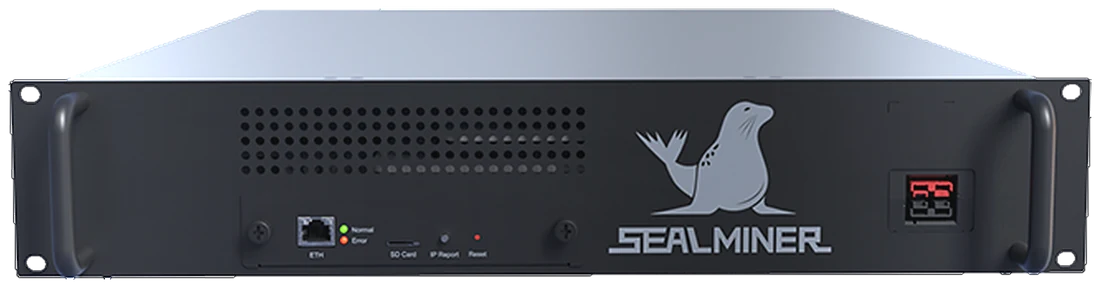
Air cooled machines in the 11 to 13.5 J/TH band do well: the Antminer S23 at 11.0, the SEALMINER A4 Pro Air at 10.9, the Antminer S21 XP at 13.5. Hydro is worth it here if the site supports it, but it is not yet compulsory.
7 to 11 cents: efficiency becomes compulsory
Typical commercial grid rates in much of North America and parts of Europe. At this price a machine above roughly 15 J/TH has very little margin and no resilience: one bad quarter for hashprice and it is off.
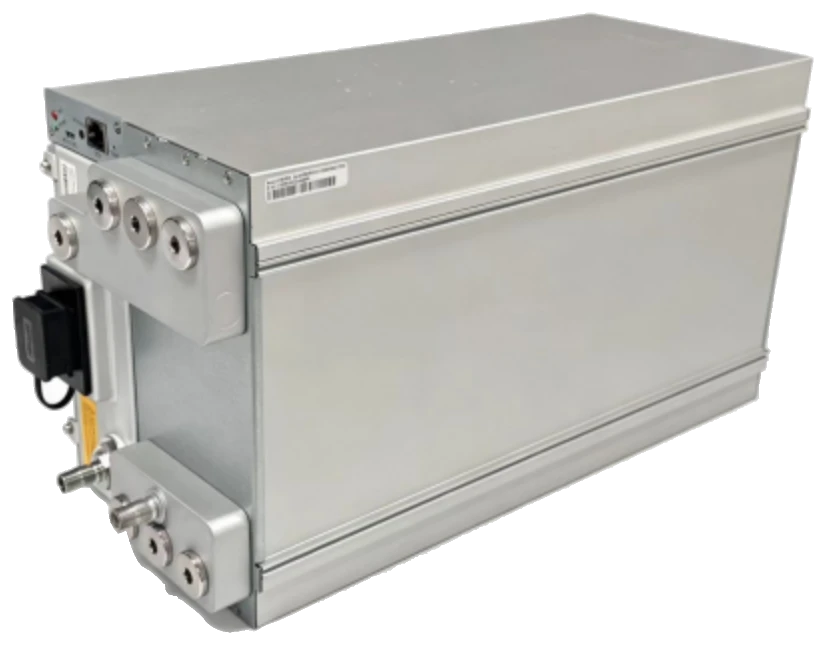
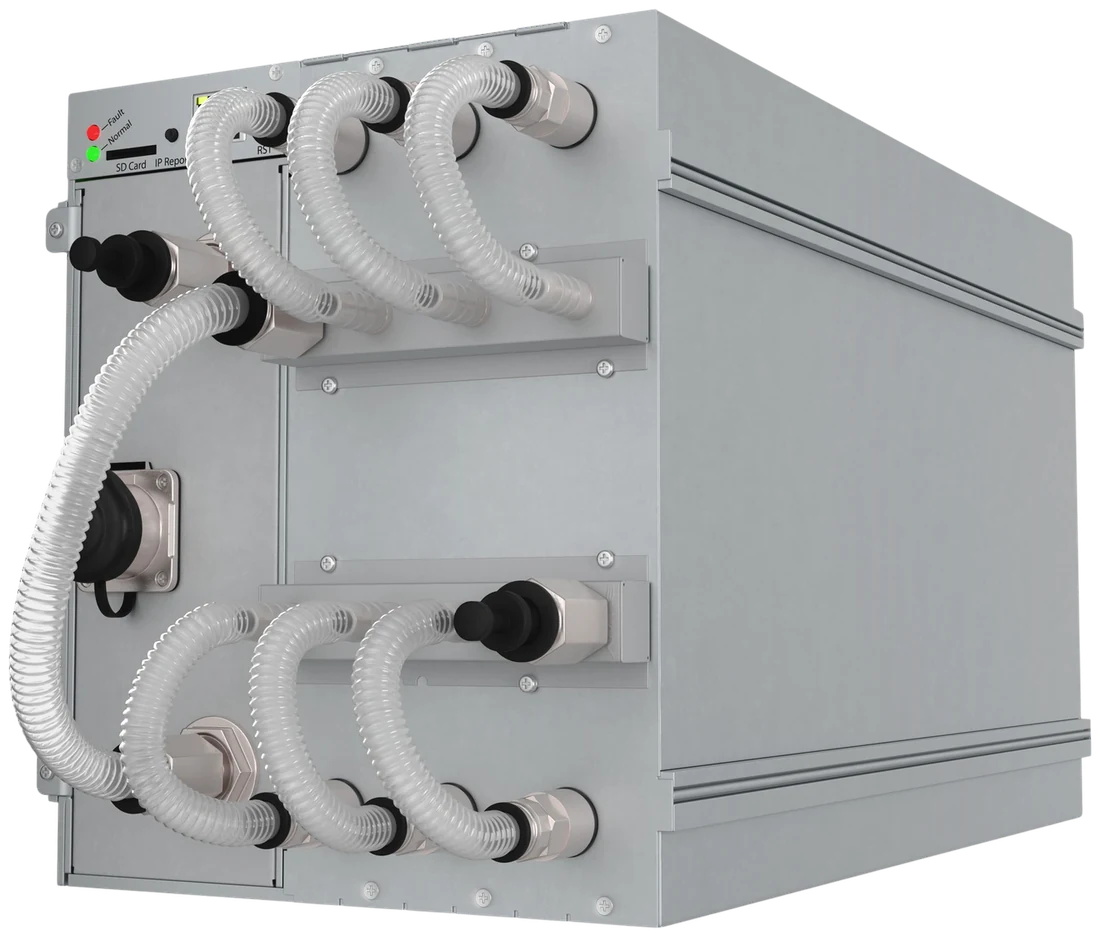
The shortlist narrows to the efficient end and mostly to hydro: the Antminer S23 XP Hydro at 8.9 J/TH, the SEALMINER A4 Ultra Hydro at 9.45, the Antminer S23 Hydro at 9.5. If hydro is impossible, the best air machines around 11 J/TH are the floor, and plan to underclock.
Above 11 cents: think hard before buying anything
At standard retail electricity prices, mining for yourself is difficult even with frontier hardware, and it does not become possible by choosing a better machine. The honest options are to find different power, to host the machines somewhere the power is cheaper, or not to do it. We have no preferred answer here, which is why hosting or your own site says so plainly.
Two adjustments that apply to every band
- Is the price firm? A contract indexed or linked to spot prices is not a number, it is a range. Shortlist for the top of the range, not the average, or you have built a fleet that only works in good months.
- Can you sell the heat? A heat offtake effectively lowers your power price and can move you a band, which is the case in selling the heat. It also constrains your ability to switch off, so read both together.
Machines in this article
Run this against your own numbers
Tell us your power situation, your site and the scale you are aiming at. We come back with a hardware shortlist and a firm quote.